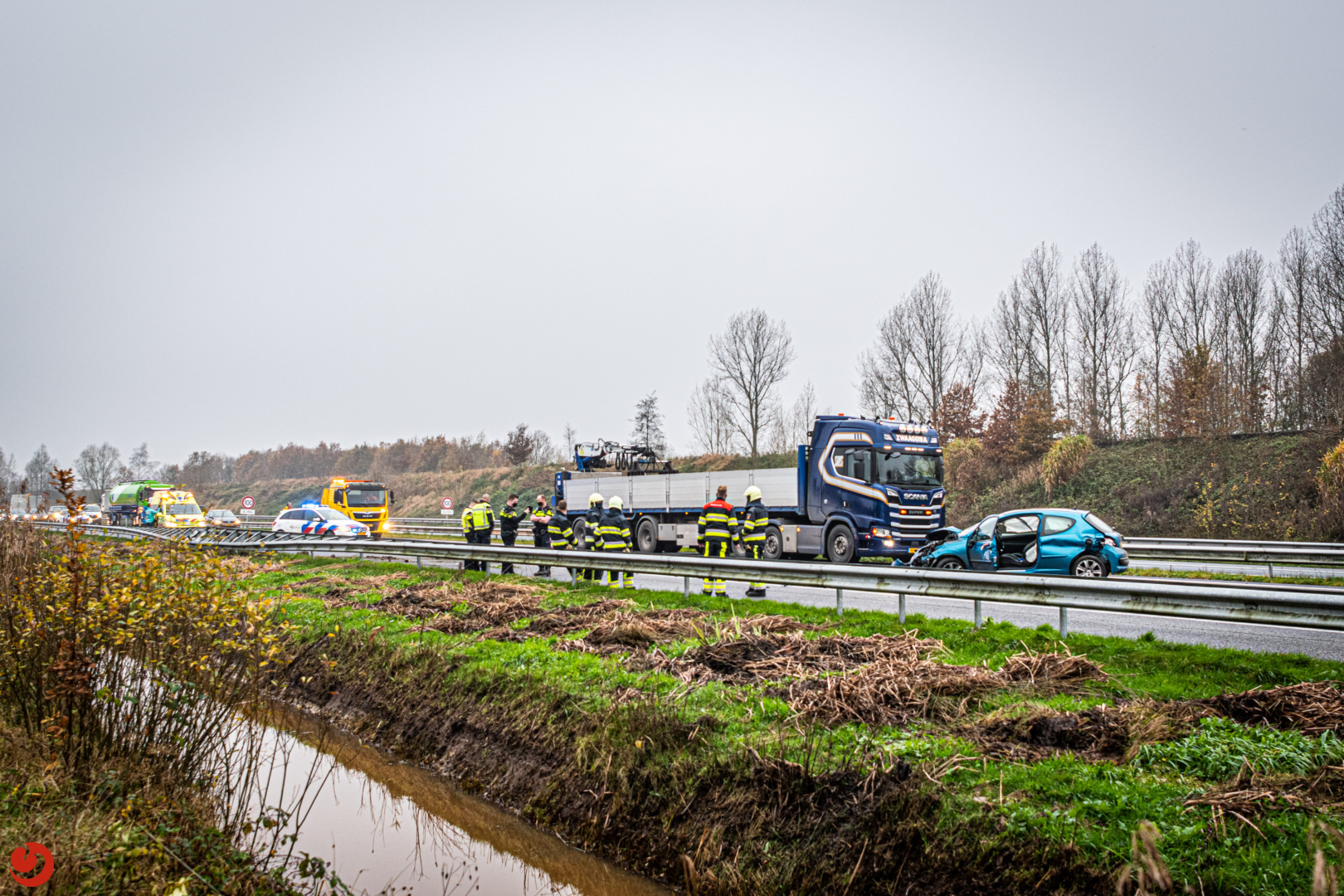
A32 Havelterberg: Overturned Truck Causes Major Road Closure and Extensive Recovery Operation
The A32 motorway near Havelterberg recently became the scene of a significant traffic disruption when a heavy goods vehicle overturned, leading to a prolonged road closure and substantial recovery efforts. The incident, which occurred in the afternoon, brought the vital stretch of road between Steenwijk and Meppel to a standstill in the direction of Meppel, causing considerable delays for commuters and freight traffic.
For many, particularly those in the Netherlands seeking immediate information, searches like "Ongeval A32 Vandaag" (A32 accident today) quickly became critical for understanding the developing situation. This article delves into the details of the crash, its immediate aftermath, the complex recovery process, and the broader implications for road safety and traffic management.
The Incident Unfolds: What Happened on the A32 Near Havelterberg?
The accident occurred when a large truck, for reasons yet unknown, veered off the road. The vehicle subsequently collided with a traffic sign before ultimately coming to rest on its side against the central reservation. This dramatic sequence of events effectively blocked the A32 carriageway, rendering it impassable for traffic heading towards Meppel.
Initial reports indicated that two occupants of the truck – the driver and a passenger – sustained injuries and were transported to the hospital by ambulance. However, subsequent updates clarified that although emergency medical personnel assessed them at the scene, the two individuals, identified as a man and a woman, ultimately did not require hospitalisation. This highlights how information can evolve during a dynamic incident and underscores the importance of relying on verified sources for updates. The exact cause of the truck leaving the road remains under investigation.
The immediate impact was severe, with authorities quickly implementing a full closure of the A32 in the affected direction. This was not merely a matter of clearing a broken-down vehicle; the scale of the incident, involving a large overturned truck, a diesel spill, and scattered cargo, necessitated a comprehensive and time-consuming response. For more details on the initial reports and unfolding situation, readers can refer to What We Know About the A32 Truck Accident Near Meppel.
Navigating the Aftermath: Road Closures and Traffic Chaos
The closure of the A32, a crucial artery in the regional road network, immediately sent ripples through the local transport system. Motorists traveling from Steenwijk towards Meppel faced significant delays and were advised to seek alternative routes. The impact wasn't confined to the motorway itself; surrounding local roads often become congested as drivers attempt to circumvent major closures, leading to widespread traffic chaos.
The road remained closed until late in the evening, a testament to the complexity and scale of the recovery and repair operations. For drivers accustomed to seamless travel, such an incident underscores the fragility of our road networks and the critical role of emergency services and infrastructure managers like Rijkswaterstaat in restoring normality.
Tips for Drivers During Major Road Closures:
- Stay Informed: Regularly check traffic updates via radio, navigation apps (e.g., Google Maps, Waze), or official traffic information services (e.g., Rijkswaterstaat in the Netherlands). Searches like "Ongeval A32 Vandaag" can provide crucial real-time insights, even if you need to translate the initial Dutch updates.
- Plan Ahead: If possible, check your route before starting your journey. If a major incident is reported, consider postponing your trip or planning an alternative route well in advance.
- Remain Calm: Getting stuck in traffic is frustrating, but patience is key. Aggressive driving won't resolve the situation and can lead to further incidents.
- Follow Diversion Signs: Authorities establish official diversion routes for a reason. Stick to these to avoid overloading smaller, less suitable local roads.
- Prepare for Delays: Keep your fuel tank topped up, and have water and snacks in your car, especially on longer journeys.
The Complexities of Recovery: From Spill to Swiped Roads
Restoring the A32 to a safe and usable condition was a multi-faceted task that extended well into the evening. The sheer size and weight of an overturned truck necessitate specialist recovery vehicles and highly trained personnel. This process began with securing the scene and ensuring the safety of all involved. The next critical steps involved:
- Vehicle Recovery: Specialist heavy-duty recovery cranes and equipment are required to upright and remove a large truck. This is a delicate operation that must be executed with precision to prevent further damage or environmental spills.
- Cargo Management: The truck's cargo had spilled onto the road surface. This required careful clearing, often involving manual labour and specialized equipment, to ensure no debris remained that could pose a hazard to traffic.
- Diesel Spill Cleanup: Perhaps one of the most critical aspects was the cleanup of a significant diesel spill. Fuel spills are not only slippery and hazardous for traffic but also pose a serious environmental risk. Specialized absorbents and cleaning agents are used to neutralize and remove the fuel, preventing it from contaminating soil or waterways.
- Infrastructure Repair: The central reservation (middengeleiderail) had been damaged during the impact. Rijkswaterstaat teams were on-site to repair or replace the damaged sections, which are vital for road safety, preventing vehicles from crossing into oncoming traffic.
- Road Surface Cleaning: After all major obstacles were removed and repairs made, a ZOAB-cleaner (a vehicle designed to clean Porous Asphalt, or 'Zeer Open Asfaltbeton' in Dutch) was deployed to thoroughly clean the carriageway. ZOAB is designed to absorb noise and water, but it can also trap contaminants, making a specialized cleaning process essential to restore its function and safety.
The intricate coordination between emergency services, Rijkswaterstaat, and private recovery companies highlights the logistical challenges involved in managing such incidents. The thoroughness of these recovery efforts ensures that when the road is eventually reopened, it is genuinely safe for travel. A deeper dive into the technical aspects of these operations can be found in A32 Steenwijk-Meppel: Recovery Efforts After Overturned Truck Incident.
Beyond the Accident: Lessons in Road Safety and Preparedness
While the immediate focus of an accident like the one on the A32 near Havelterberg is on recovery and reopening, such events also serve as potent reminders of the importance of road safety and preparedness. Although the cause of this specific incident remains unknown, many truck accidents often stem from a combination of factors:
- Driver Fatigue: Long hours behind the wheel can lead to reduced reaction times and impaired judgment.
- Distraction: Anything that takes a driver's attention away from the road, even for a second, can have catastrophic consequences.
- Speed and Impatience: Driving too fast for conditions or making aggressive maneuvers.
- Improper Loading: Unbalanced or unsecured cargo can shift, affecting vehicle stability.
- Vehicle Malfunction: Mechanical failures, though less common due to strict maintenance, can occur.
- Adverse Weather Conditions: Rain, ice, or strong winds can significantly increase the risk for heavy vehicles.
For all road users, maintaining vigilance is paramount. For passenger vehicle drivers, this includes giving large trucks ample space, being aware of their extensive blind spots, and anticipating their movements. For truck drivers, adhering to rest periods, conducting thorough pre-trip inspections, and maintaining focus are non-negotiable responsibilities.
Furthermore, incidents like this underscore the crucial role of robust infrastructure and efficient emergency response systems. Well-maintained roads, clear signage, and rapid deployment of recovery teams are all vital components in minimizing the impact of accidents and ensuring the swift return to normal operations.
Conclusion
The overturned truck on the A32 near Havelterberg caused a major headache for travelers, resulting in a full road closure for many hours and extensive recovery and repair work. While thankfully the occupants of the truck did not sustain serious injuries requiring hospitalisation, the incident served as a stark reminder of the complexities involved when heavy vehicles are involved in accidents. The coordinated efforts of emergency services, Rijkswaterstaat, and recovery teams ensured that the road, despite the challenges of spill cleanup, cargo removal, and barrier repair, was eventually reopened late in the evening. As our roads become increasingly busy, maintaining focus, adhering to safety regulations, and staying informed remain the best strategies for preventing such incidents and navigating their aftermath.