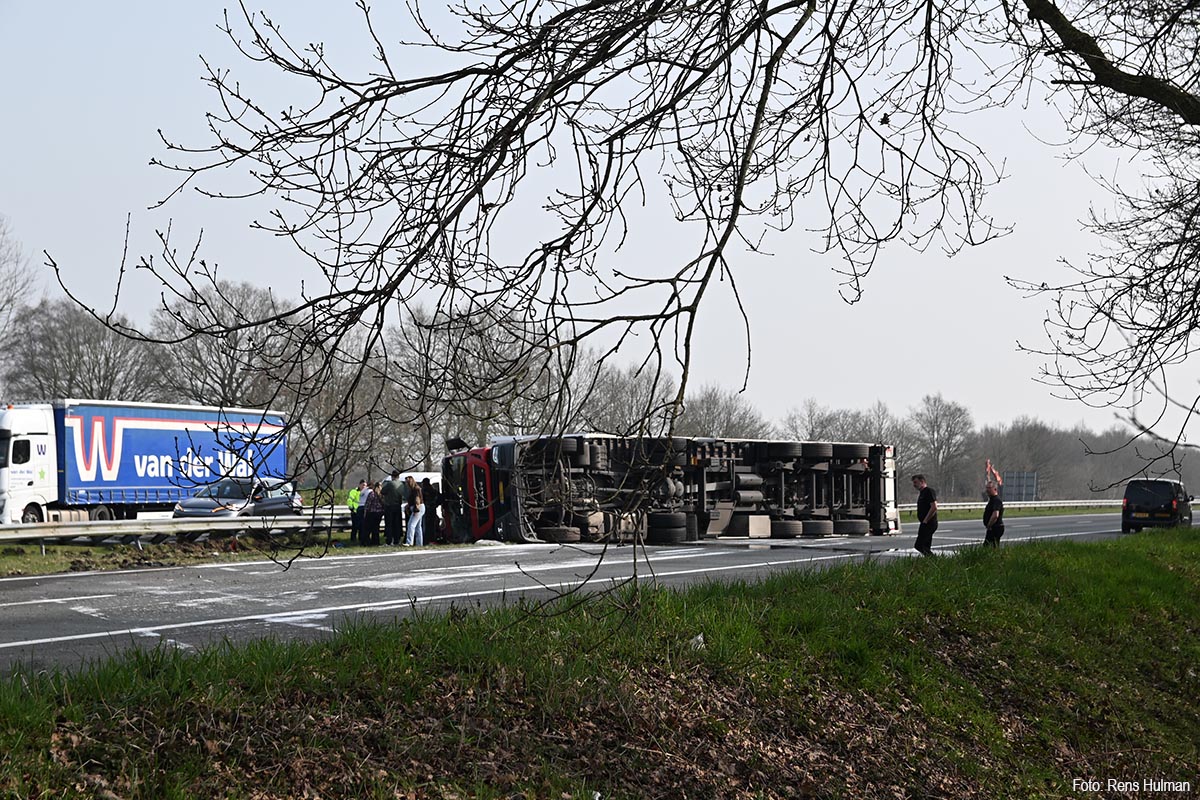
Unraveling the Ongeval A32 Vandaag: What We Know So Far
The A32 motorway, a vital artery connecting regions in the Netherlands, became the scene of a significant incident recently when a truck overturned near Havelterberg. This Ongeval A32 Vandaag, as many commuters and local residents might have searched for updates, led to extensive road closures and considerable disruption. Understanding the precise details of what transpired is crucial for both those affected and for gleaning broader lessons in road safety.
The incident occurred in the afternoon, specifically on the stretch of the A32 between Steenwijk and Meppel, affecting traffic moving in the direction of Meppel. Reports indicate that the large commercial vehicle veered off the road for reasons yet to be officially determined. This deviation led to the truck colliding with a traffic sign before ultimately coming to rest on its side, pressed against the median barrier. The sheer force of the impact and the truck's subsequent position necessitated immediate and comprehensive response efforts from emergency services and road authorities.
Initially, there were conflicting reports regarding the condition of the occupants. Early information suggested that both the driver and a co-driver had sustained injuries and were transported to the hospital by ambulance. However, subsequent, more detailed updates clarified that while two individuals – a man and a woman – were indeed inside the truck at the time of the accident, they fortunately did not require hospitalisation. This outcome, given the severity of the truck overturning, underscores the robust safety features of modern vehicles and perhaps the quick response of emergency personnel on scene. The focus quickly shifted from immediate medical concerns to the significant logistical challenges presented by the overturned vehicle and its aftermath.
The immediate consequences of the Ongeval A32 Vandaag were substantial. The sheer size of the overturned truck and the debris it scattered across the roadway, combined with a diesel spill and the spillage of its cargo, rendered the motorway impassable. This prompted Rijkswaterstaat, the Dutch Directorate-General for Public Works and Water Management, to implement a full closure of the A32 in the affected direction. This closure, which would extend well into the evening and even late into the night, highlighted the complex and time-consuming nature of clearing such an incident, requiring specialized equipment and coordinated efforts.
The Far-Reaching Impact of the A32 Incident
An incident of this magnitude on a major motorway like the A32 inevitably sends ripple effects far beyond the immediate crash site. The Ongeval A32 Vandaag caused significant disruption, illustrating how quickly daily life and commerce can be affected by unforeseen events on our road networks.
- Traffic Delays and Congestion: The most immediate and tangible impact was the extensive traffic congestion. With the A32 completely shut down towards Meppel, thousands of commuters and commercial drivers were forced to seek alternative routes. This diverted traffic onto smaller, often less suitable provincial roads, leading to gridlock in surrounding towns and villages. For many, a routine journey turned into hours of unexpected delays, impacting work schedules, appointments, and personal plans.
- Economic Ramifications: Beyond individual inconvenience, the closure had economic consequences. Businesses relying on timely deliveries experienced delays in their supply chains, potentially leading to lost revenue or missed deadlines. Logistics companies faced increased operational costs due to longer routes and extended working hours for drivers. The cumulative effect of such incidents, if frequent, can be a significant drag on regional economies.
- Environmental Concerns: The diesel spill mentioned in initial reports presented a direct environmental threat. Fuel leaks from large vehicles can contaminate soil and groundwater, posing risks to local ecosystems. Specialized environmental cleanup crews were essential in mitigating this potential damage, requiring careful handling and disposal of contaminated materials.
- Infrastructure Damage: The truck's impact with a traffic sign and the median barrier also caused structural damage to the road infrastructure. Repairing these elements is not only costly but also adds to the duration of road closures, further extending the period of disruption. This highlights the hidden costs associated with such accidents, which go beyond vehicle recovery.
- Safety Implications: While thankfully no serious injuries were sustained by the truck occupants in this specific instance, any major accident on a motorway serves as a stark reminder of the inherent risks of road travel. It prompts discussions about road design, driver behaviour, vehicle maintenance, and emergency response protocols, all aimed at enhancing overall road safety.
The Extensive Recovery and Repair Operations
Clearing an overturned heavy goods vehicle and rehabilitating the affected section of a major motorway is a complex, multi-stage process that demands significant resources and expertise. The Ongeval A32 Vandaag triggered a comprehensive recovery and repair operation, orchestrated by Rijkswaterstaat in collaboration with emergency services and specialized contractors.
The first priority, once the safety of the occupants was confirmed and any immediate hazards like fire were contained, was the careful uprighting and removal of the truck itself. This typically involves heavy recovery vehicles equipped with powerful winches and cranes. Due to the truck's position against the median barrier and its weight, this process is meticulously planned to avoid further damage or instability. Once the vehicle was safely removed, attention turned to the debris strewn across the carriageway, including the spilled cargo. The major road closure at A32 Havelterberg was a testament to the scale of this initial phase.
Following the vehicle salvage, the damaged infrastructure required immediate attention. The median barrier, crucial for separating traffic flows and preventing cross-over accidents, had to be repaired or replaced. This structural work is vital for restoring the road's safety profile before it can be reopened. Simultaneously, the road surface itself needed thorough cleaning. Given the diesel spill, a regular sweep was insufficient. Specialized equipment, often referred to as a ZOAB-cleaner (referring to Zeer Open Asfaltbeton, or Very Open Asphalt Concrete, a type of porous asphalt used in the Netherlands), was deployed. These machines are designed to effectively clean porous asphalt, removing fuel residues and ensuring the road's friction and drainage capabilities are restored. This meticulous cleanup is essential not only for environmental reasons but also to prevent slippery conditions that could lead to further accidents.
The entire recovery and repair process, from the initial accident to the complete reopening of the road, extended well into the late evening and indeed into the night. Rijkswaterstaat's teams worked tirelessly to minimize the duration of the closure. The complexity of these operations highlights why such incidents result in prolonged road closures, and the extensive recovery efforts after the overturned truck incident on the A32 Steenwijk-Meppel illustrate the dedication required to restore normalcy.
Preventing Future Truck Accidents: Tips for Drivers and Operators
While the exact cause of the Ongeval A32 Vandaag remains unknown, every truck accident serves as a critical reminder of the importance of proactive measures in preventing similar incidents. Both truck drivers and fleet operators play pivotal roles in enhancing road safety.
For Truck Drivers:
- Combat Fatigue: Long hours behind the wheel are a reality for many truck drivers, but fatigue is a major accident risk factor. Adhere strictly to rest regulations, take regular breaks, and pull over if feeling drowsy. Prioritize quality sleep.
- Defensive Driving: Always anticipate potential hazards, maintain a safe following distance, and be aware of blind spots. Large vehicles require more time and space to brake and manoeuvre.
- Weather Awareness: Adjust driving style significantly in adverse weather conditions (rain, fog, strong winds). Reduced visibility and slippery roads demand slower speeds and increased caution.
- Load Security: Ensure cargo is properly secured and distributed. An unstable load can shift, affecting the truck's balance and handling, especially on curves or in strong winds.
- Vehicle Checks: Perform pre-trip inspections diligently. Check tires, brakes, lights, fluid levels, and mirrors. Report any mechanical issues immediately.
For Fleet Operators:
- Robust Maintenance Schedules: Implement and strictly follow comprehensive preventative maintenance programs for all vehicles. Regular servicing, tire checks, and brake inspections are non-negotiable.
- Driver Training and Wellness: Invest in continuous training for drivers, focusing on defensive driving, hazard perception, and safe load management. Promote a culture that prioritizes driver well-being and discourages excessive hours.
- Technology Adoption: Utilize modern safety technologies such as advanced driver-assistance systems (ADAS), including lane departure warnings, automatic emergency braking, and blind-spot monitoring. Telematics can also help monitor driver behaviour and identify areas for improvement.
- Route Planning: Plan routes carefully, considering road conditions, potential hazards, and optimal rest stops, especially for oversized or hazardous loads.
- Emergency Preparedness: Have clear protocols for responding to accidents, including communication plans, emergency contact information, and procedures for managing spills or hazardous materials.
Navigating Road Closures and Traffic Disruption
When an incident like the Ongeval A32 Vandaag occurs, causing major road closures, knowing how to react can significantly reduce stress and minimize delays for individual travellers.
- Stay Informed: Before starting your journey, check real-time traffic updates through reliable sources like navigation apps (e.g., Google Maps, Waze, TomTom), local radio stations, and official road authority websites (like Rijkswaterstaat in the Netherlands).
- Plan Ahead: If you know a major route is affected, try to find alternative routes in advance. Be aware that popular diversion routes will also likely experience congestion.
- Exercise Patience: Traffic jams are frustrating, but aggressive driving will only exacerbate the situation and increase the risk of further accidents. Remain calm, patient, and courteous to other drivers.
- Safety First: If you find yourself in a static queue, switch off your engine if safe to do so. Stay in your vehicle unless instructed otherwise by emergency personnel. Avoid attempting illegal or unsafe manoeuvres to bypass traffic.
- Communication: If your journey is critical or time-sensitive, inform your destination or employer about potential delays.
- Emergency Lane Awareness: Remember that the emergency lane (hard shoulder) is for emergency vehicles only. Keep it clear at all times, even in heavy congestion.
Conclusion
The Ongeval A32 Vandaag near Havelterberg serves as a potent reminder of the inherent risks on our roads and the complex logistical challenges posed by such incidents. While thankfully the occupants of the truck did not sustain serious injuries, the extensive road closure, the environmental cleanup efforts, and the significant disruption to traffic underscore the far-reaching impact of even a single accident. It highlights the tireless work of emergency services and road authorities in responding to and managing these situations, often under pressure. More importantly, it reinforces the collective responsibility of all road users and fleet operators to prioritize safety through diligent vehicle maintenance, responsible driving practices, and constant vigilance. By learning from these events and implementing preventative measures, we can work towards making our motorways safer and minimize future disruptions for everyone.